Automobiles have long been more than simple tools for transportation. For many people, cars represent freedom, adventure, and personal identity. In recent years, the line between automotive use and recreational lifestyle has become increasingly blurred. From off-road exploration and road trips to car clubs and motorsport events, the automotive world has evolved into a vibrant recreational culture that brings together enthusiasts, technology, and outdoor experiences.
Cars as Gateways to Adventure
Recreational driving has become one of the most popular ways to explore new destinations and reconnect with nature. SUVs, crossovers, and off-road vehicles are designed to handle challenging terrain while providing comfort and reliability. For outdoor enthusiasts, a capable vehicle opens access to remote trails, camping areas, and scenic routes that would otherwise remain unreachable.
Overlanding, a form of self-reliant travel combining off-road driving and camping, has gained global popularity. Drivers equip their vehicles with roof tents, auxiliary lighting, recovery gear, and storage systems to support extended trips. This trend highlights how modern vehicles are being adapted to support lifestyle-based recreation rather than just daily commuting.
Road Trips and the Return of Slow Travel
Despite advances in air travel, road trips remain a timeless recreational activity. Driving allows travelers to move at their own pace, explore hidden attractions, and experience landscapes in a more immersive way. Scenic highways, coastal routes, and mountain passes have become destinations in themselves.
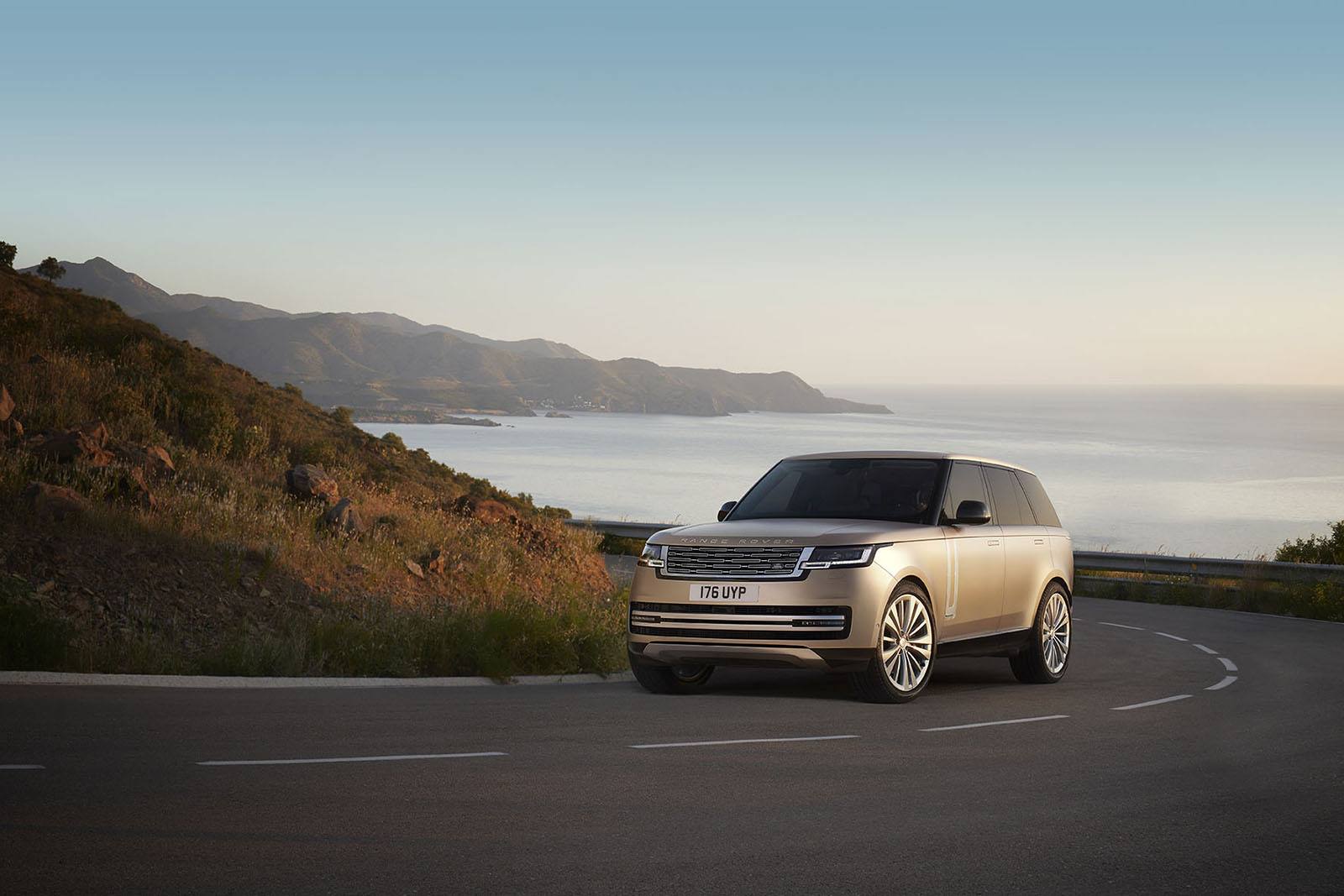
Modern vehicles enhance the road trip experience through advanced infotainment systems, navigation tools, and safety features. Adaptive cruise control, lane assistance, and fuel-efficient engines reduce fatigue during long drives. At the same time, electric and hybrid vehicles are reshaping road trip planning by introducing charging networks and eco-conscious travel options.
Off-Road Recreation and Utility Vehicles
Off-road recreation continues to grow as more people seek outdoor experiences away from crowded urban environments. Vehicles such as all-terrain vehicles (ATVs), side-by-sides (UTVs), and dirt bikes are widely used for trail riding, desert exploration, and recreational work on private land.
Manufacturers are responding by offering specialized recreational models with reinforced suspensions, terrain management systems, and durable materials. These vehicles are designed to balance performance with safety, allowing users to enjoy rugged environments while minimizing environmental impact. Responsible off-road use and land conservation have also become important topics within the recreational auto community.
Car Culture, Clubs, and Social Recreation
Recreational automotive activity extends beyond driving itself. Car culture plays a significant social role, bringing enthusiasts together through shared interests. Car clubs, meets, and shows provide opportunities to showcase vehicles, exchange knowledge, and build friendships.
Classic car restorations, tuning projects, and custom builds are popular recreational pursuits that require creativity, technical skill, and patience. For many enthusiasts, working on a vehicle is as enjoyable as driving it. Social media platforms have further expanded automotive communities, connecting people across regions and cultures through a shared passion for cars.
Motorsports as Recreational Entertainment
Motorsports represent another important intersection of recreation and automobiles. While professional racing receives global attention, amateur and grassroots motorsports play a vital role in local communities. Track days, autocross events, rally stages, and amateur drag racing allow enthusiasts to experience performance driving in controlled environments.
These activities promote driving skill development, mechanical understanding, and respect for safety standards. Many drivers view motorsports as a recreational outlet that combines competition, adrenaline, and personal improvement. Automotive manufacturers also benefit, using motorsport participation to test technologies and inspire future vehicle designs.
Technology Enhancing Recreational Driving
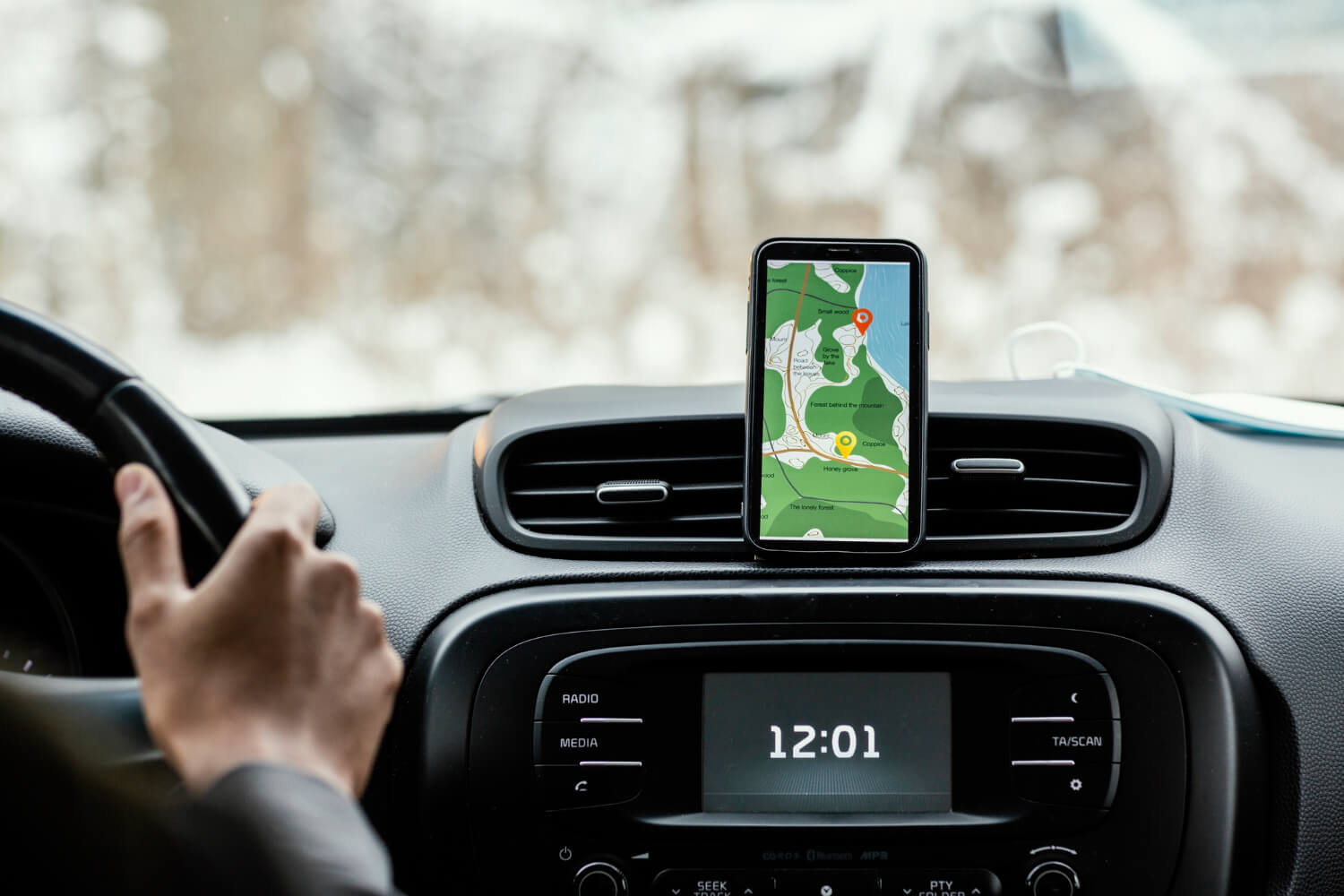
Advancements in automotive technology have significantly enhanced recreational experiences. GPS navigation, terrain mapping, and driver-assistance systems help users navigate unfamiliar environments with confidence. Smartphone integration allows drivers to document trips, track performance data, and share experiences in real time.
Electric vehicles are beginning to influence recreational autos as well. Electric off-road concepts and adventure-oriented EVs promise quiet operation, instant torque, and reduced environmental impact. While infrastructure challenges remain, innovation in battery technology and charging solutions may soon make electric recreation vehicles more practical and accessible.
Environmental Awareness and Responsible Recreation
As recreational automotive use grows, environmental responsibility has become a key concern. Increased vehicle activity can impact ecosystems, wildlife habitats, and natural landscapes if not managed properly. Many recreational drivers now emphasize sustainable practices, such as staying on designated trails, reducing emissions, and supporting conservation efforts.
Automotive manufacturers and recreational organizations are also promoting eco-friendly initiatives. Improved fuel efficiency, alternative powertrains, and recyclable materials are being incorporated into recreational vehicle design. Education and awareness play a crucial role in ensuring that automotive recreation remains compatible with environmental preservation.
Economic Impact of Recreational Autos
The recreation and automotive sector contributes significantly to local and global economies. Tourism related to road trips, motorsports events, and outdoor exploration supports hospitality, retail, and service industries. Accessories, aftermarket modifications, and maintenance services create additional economic activity.
Small businesses, such as off-road outfitters, specialty mechanics, and event organizers, thrive within this ecosystem. Recreational automotive culture not only provides enjoyment but also generates employment opportunities and regional development.
The Future of Recreation and Autos
The future of recreational autos is likely to be shaped by innovation, sustainability, and changing lifestyle preferences. As urbanization increases, people may seek recreational driving as a way to escape city life and reconnect with open spaces. Autonomous and semi-autonomous technologies could also influence recreational travel by reducing fatigue and improving safety.
Customization and personalization will remain central to automotive recreation. Vehicles will increasingly be tailored to specific activities, whether adventure travel, motorsports, or social cruising. The integration of digital tools, smart accessories, and eco-friendly technologies will continue to redefine how people experience automotive recreation.

Conclusion
The relationship between recreation and automobiles reflects a deep human desire for freedom, exploration, and connection. Cars and recreational vehicles are no longer just modes of transport; they are enablers of lifestyle experiences and personal expression. From scenic road trips and off-road adventures to motorsport participation and car culture, automotive recreation continues to evolve alongside technology and societal values.
As innovation advances and environmental awareness grows, the recreational auto sector has the opportunity to balance excitement with responsibility. By embracing sustainable practices and inclusive communities, automotive recreation can remain a powerful source of enjoyment and inspiration for generations to come.