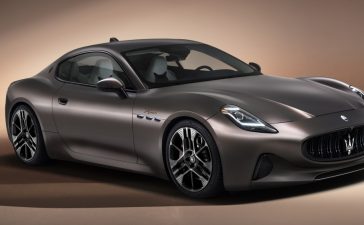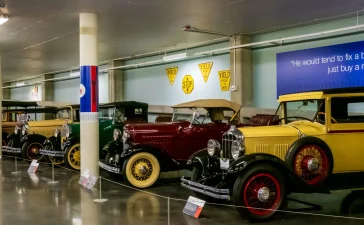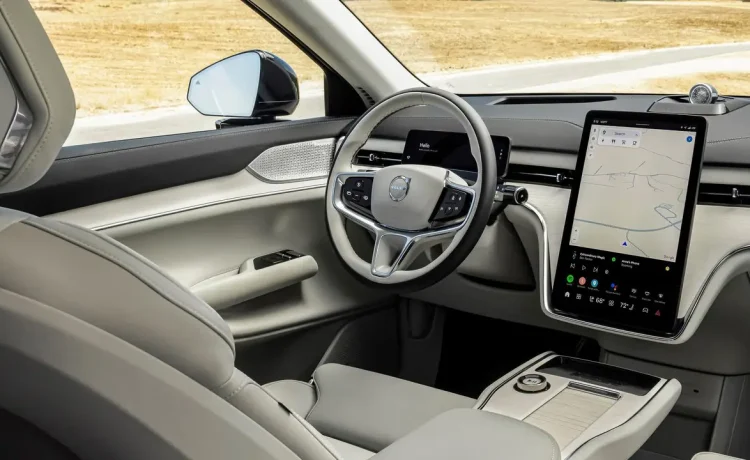
Few things capture the spirit of freedom and adventure quite like the open road. From sleek sports cars and rugged off-road vehicles to vintage cruisers and custom-built campers, recreational automobiles offer a unique blend of mobility, excitement, and self-expression. They’re not just machines built for transport — they are gateways to recreation, lifestyle, and identity.
In the modern era, where technology and leisure blend seamlessly, recreational automobiles have evolved from simple vehicles into sophisticated tools for exploration and enjoyment. Whether it’s a weekend road trip, a cross-country overland expedition, or the thrill of a race track, the automobile remains a central part of human recreation and culture.
1. The Evolution of Recreational Automobiles
The story of recreational automobiles begins with a desire for independence and adventure. In the early 20th century, cars like the Ford Model T gave people the freedom to travel farther than ever before. As the automotive industry grew, so did people’s passion for driving — not just for necessity, but for pleasure.
By the mid-20th century, cars became symbols of lifestyle and leisure. Road trips became a defining part of Western culture, immortalized by the rise of highways, motels, and roadside diners. Vehicles like the Volkswagen Beetle and the Ford Mustang became icons of individuality and recreation.
Today, recreation-focused automobiles have expanded far beyond traditional passenger cars. From high-performance sports cars and adventure-ready SUVs to electric roadsters and camper vans, the modern market offers something for every taste and terrain.
2. The Rise of Adventure Vehicles and Overlanding
In recent years, a new trend has taken hold: overlanding — self-reliant travel to remote destinations where the journey is the primary goal. Overlanding combines off-roading with camping and exploration, and it’s driving a surge in adventure vehicle design.
Automakers are responding with purpose-built vehicles like the Toyota Land Cruiser, Jeep Wrangler Rubicon, and Land Rover Defender, all engineered for endurance and capability. These vehicles feature advanced four-wheel-drive systems, rugged suspensions, and technology that helps navigate extreme terrains.
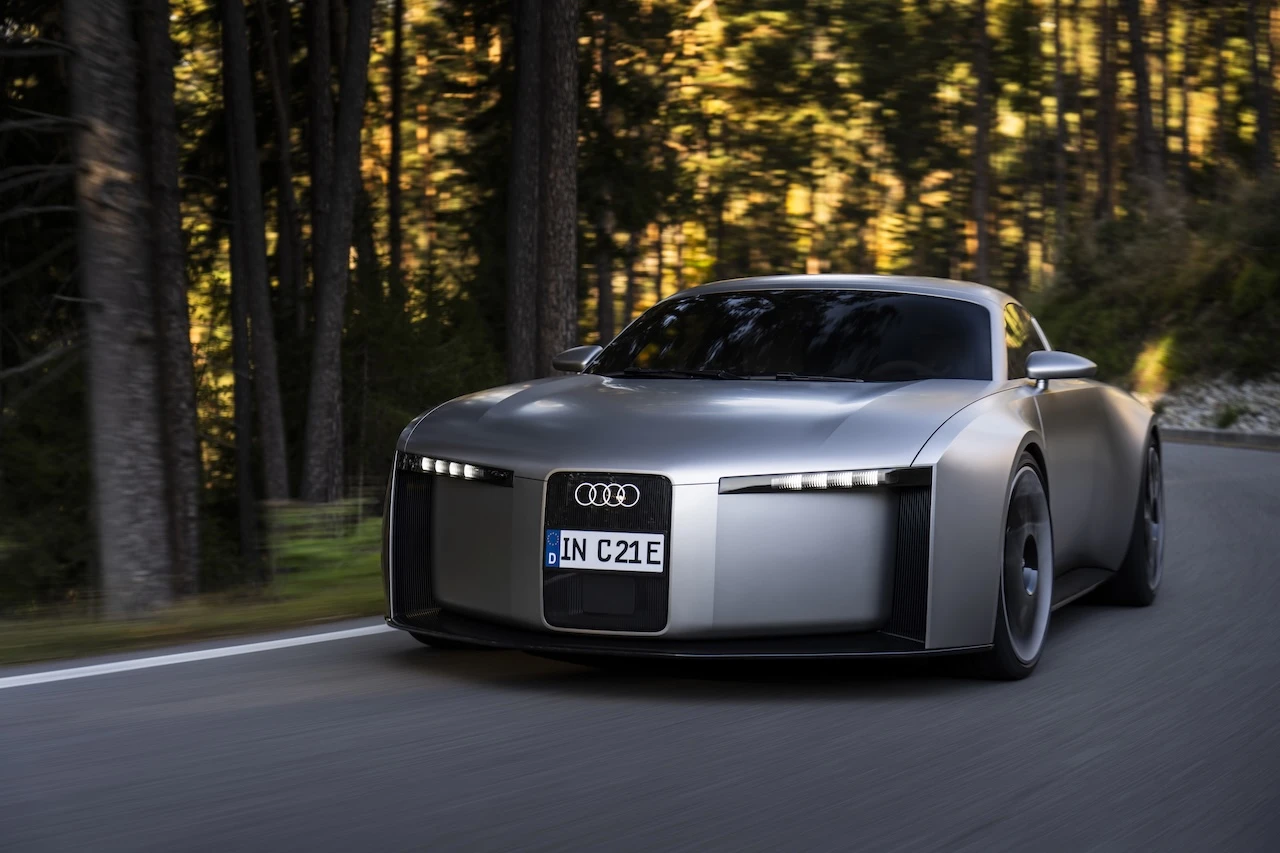
The market for camper conversions and expedition vans has also exploded. Brands like Mercedes-Benz (Sprinter) and Ford (Transit Trail) have become popular platforms for custom camper builds, enabling travelers to live on the road with modern comforts — from solar panels to portable Wi-Fi.
The beauty of overlanding lies in its simplicity and self-sufficiency. It’s not about speed or luxury, but the ability to go anywhere — mountains, deserts, or coastlines — with nothing but your vehicle and a spirit of exploration.
3. Sports Cars: The Art of Performance and Emotion
While adventure vehicles dominate the off-road world, sports cars rule the asphalt. For many enthusiasts, driving a sports car is not just about reaching a destination — it’s about the pure joy of motion.
Brands like Porsche, Ferrari, and Corvette have perfected the balance between design, performance, and emotion. Whether it’s the roar of a V8 engine or the precision of a turbocharged four-cylinder, sports cars deliver a visceral driving experience unmatched by any other form of recreation.
With the rise of electric mobility, the sports car is entering a new era. Models like the Porsche Taycan, Tesla Roadster, and Lotus Evija combine lightning-fast acceleration with eco-conscious engineering. Electric motors provide instant torque and precise control, proving that sustainability and performance can coexist.
For enthusiasts, driving is an art form — a conversation between man and machine. The winding mountain road, the sound of the engine, the feel of the steering wheel — all merge into a single, exhilarating experience.
4. Recreational Vehicles (RVs) and the Freedom of the Open Road
Few vehicles capture the spirit of recreation like the Recreational Vehicle (RV). From compact camper vans to luxury motorhomes, RVs transform travel into a lifestyle.
The global RV market has experienced tremendous growth, fueled by a new generation of travelers seeking flexibility, comfort, and adventure. The “van life” movement, popularized through social media, has inspired thousands to convert vehicles into mobile homes and explore the world at their own pace.
Modern RVs come equipped with everything from kitchens and showers to solar power systems and satellite internet. Some are even designed for full-time living, blending minimalism with mobility.
For many, RV travel represents more than recreation — it’s a philosophy of life centered around freedom, sustainability, and connection to nature. It’s about waking up by the ocean one day and in the mountains the next, with the road as both home and adventure.
5. Customization: Turning Vehicles into Personal Statements
In the world of recreational automobiles, customization is a key part of the culture. From lifted trucks and tuned sports cars to hand-built campers, enthusiasts express their individuality through design and engineering.
Customization ranges from cosmetic modifications — like new paint jobs, wheels, and interiors — to full mechanical upgrades. Performance enthusiasts may install turbochargers or suspension kits, while overlanders focus on durability and utility with roof racks, winches, and solar systems.
This culture of modification has also created thriving industries around aftermarket parts, car shows, and online communities. Events like SEMA (Specialty Equipment Market Association) in Las Vegas showcase the latest in automotive creativity, where passion meets innovation.
Ultimately, customization transforms vehicles from mere machines into reflections of personality and passion — turning recreation into art.
6. Technology and the Future of Recreational Autos
As with every other aspect of modern life, technology is reshaping the world of recreational automobiles. Advanced driver-assistance systems (ADAS), GPS navigation, and smart connectivity have made driving safer and more enjoyable.
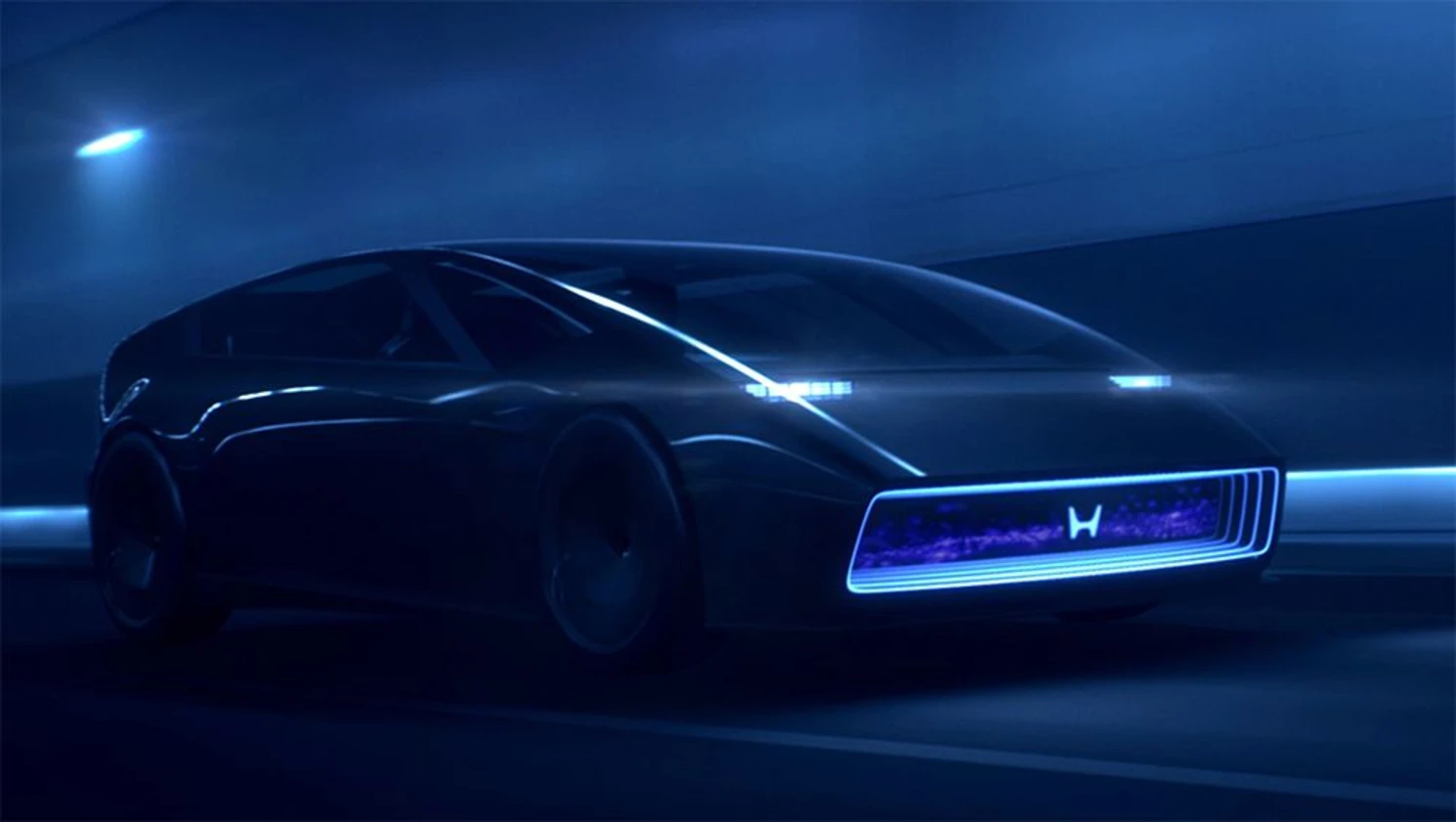
Electric and hybrid vehicles are expanding into the recreational market as well. Companies are developing electric RVs and off-road EVs capable of handling rugged conditions while maintaining zero emissions. The integration of solar panels and battery systems makes long-distance travel more sustainable.
Autonomous driving is another area of innovation. While fully self-driving cars are still in development, semi-autonomous features already assist with navigation, parking, and long-distance cruising — reducing fatigue on extended trips.
Moreover, digital ecosystems like Apple CarPlay, Android Auto, and advanced infotainment systems turn the cabin into a connected entertainment hub, blurring the line between vehicle and lifestyle accessory.
7. The Social Side of Automotive Recreation
Recreational automobiles are not just about solitude or adventure — they are also about community. Car clubs, meet-ups, and online forums bring together enthusiasts from all walks of life who share a love for vehicles and the open road.
Events like Cars and Coffee, Goodwood Festival of Speed, and Overland Expo highlight the diversity of automotive culture. Whether it’s showcasing a restored classic car or a custom off-road build, these gatherings celebrate craftsmanship, innovation, and camaraderie.
Driving also fosters connection in simpler ways — the shared smiles between motorcyclists on a twisty road, or the waves exchanged between RV travelers passing on the highway. In an increasingly digital world, the road remains one of the few places where human connection feels organic and unfiltered.
8. Sustainability and the Road Ahead
The future of recreational automobiles lies in sustainability and innovation. As climate change and environmental concerns grow, manufacturers and consumers alike are turning toward eco-friendly solutions.
Electric and hybrid powertrains are leading the charge, reducing emissions without compromising performance. Lightweight materials like carbon fiber and aluminum improve efficiency, while renewable energy sources like solar panels power auxiliary systems.
At the same time, the focus on circular design — recycling and reusing components — is helping to reduce the environmental impact of vehicle production.
The challenge moving forward is to preserve the spirit of recreation and freedom while embracing cleaner, smarter technologies. The road trip of the future might be powered by electrons instead of gasoline — but the sense of wonder will remain the same.
Conclusion
Recreational automobiles embody more than mobility; they represent adventure, individuality, and the timeless desire to explore. Whether it’s a roaring sports car on a mountain pass, a rugged SUV conquering a desert trail, or a camper van parked beneath the stars, the automobile connects people to places and possibilities.
As technology evolves and sustainability becomes central to design, the next generation of recreational vehicles promises to be cleaner, smarter, and more capable than ever before.
In the end, what truly drives the world of recreational automobiles is not horsepower or torque — it’s passion. The passion for motion, discovery, and the open road. Because when the engine starts and the horizon calls, every journey becomes more than travel — it becomes a story.